Questions To Ask Before Buying Lifetime Software Deals
in Business, Business Startups, Lifetime Software Access, Productivity, Software AlternativesEvaluate Key Risks, Feature Caps, and ROI Before Buying Lifetime Software Deals to Protect Your Investment
Making a smart decision when buying lifetime software deals can save you significant time and money in the long run. Our brand, Best Lifetime Deals, wants to empower you with the right questions to ask before making that crucial purchase.
Understanding Lifetime Software Deals
What is a Lifetime Software Deal?
A lifetime software deal, often referred to as an LTD, represents a unique purchasing model where a customer pays a one-time fee to gain access to a software product or service indefinitely. Unlike traditional SaaS subscriptions, which typically involve monthly or annual payments, this deal promises permanent ownership of the software’s current and future functionalities, negating the need for recurring fees. It’s a commitment from the vendor to deliver ongoing access and updates without additional charges, making it an attractive proposition for users seeking long-term savings.
Benefits of Buying Lifetime Software
Buying lifetime software offers numerous advantages, primarily the significant long-term savings on what would otherwise be continuous subscription fees. This single purchase eliminates the need to budget for monthly or annual payments, providing financial predictability. Furthermore, it often includes access to all future updates and new features automatically, ensuring your software remains current without additional costs. This procurement method can be incredibly beneficial for individuals and businesses looking to minimize recurring operational expenses and gain stable access to essential tools.
Common Pitfalls in Purchasing
While the allure of a lifetime software deal is strong, there are several common pitfalls to consider before making a purchase. One major concern is the longevity and commitment of the developer or vendor; if the company ceases operations, your “lifetime” access could be cut short. Another pitfall involves understanding the scope of the deal, as some LTDs might only include specific features or a limited number of users, leading to unexpected upgrade fees later. It’s crucial to thoroughly research the product’s roadmap and review customer feedback to avoid disappointment and ensure the deal is genuine.

5 Things to Look for Before Buying
What is Included in the Deal?
When considering buying lifetime software deals, it is absolutely essential to thoroughly understand what is explicitly included in the purchase. Many LTDs come with different tiers or limitations, so you need to check if the specific features, user capacity, or integration options you require are part of the base deal or if they are considered a bonus that might expire. This detailed review ensures that the functionality meets your expectations and that you are not left wanting more or facing unexpected upgrade fees down the line.
Update Policies and Future Support
A crucial aspect of any lifetime deal is the vendor’s commitment to ongoing support and update policies. You must inquire about how regularly the software will receive updates, particularly regarding bug fixes and new features. Understand if these future updates are automatically included or if there are certain limitations. A clear promise of continuous development and readily available customer support is vital for the long-term viability of your investment, ensuring your software remains effective and compatible with evolving platforms.
Understanding the Fee Structure
Before committing to any purchase, a comprehensive understanding of the fee structure is paramount. While it’s a one-time payment, it’s important to clarify if there are any hidden costs, potential add-ons for essential functionality, or even future maintenance fees not explicitly covered in the initial offer. This thorough examination of the pricing ensures that the perceived savings are genuine and that you can accurately manage your spending, avoiding any surprises after the initial procurement.
Evaluating the Developer and Product
Check the Developer’s Reputation
One of the most critical things to consider when buying new software is the reputation of the developer or vendor. Conduct in-depth research to assess their track record, looking for consistent customer feedback and a history of delivering on their promises. A reputable developer is more likely to provide sustained support and updates for their SaaS product, giving you peace of mind that your investment in the lifetime deal is secure and that the software will continue to meet your needs.
Reviewing the Product Roadmap
Before making a final purchase, ask to see the product roadmap. This document provides valuable insight into the developer’s vision for the software’s future, outlining planned features, enhancements, and strategic direction. A clear and ambitious roadmap demonstrates the vendor’s commitment to ongoing development and ensures that the software will evolve to meet future user demands. This review helps inform your decision and confirms the long-term value of lifetime deals.
Assessing Customer Support and Community
The quality of customer support and the vibrancy of the user community are significant factors in ensuring a positive experience with any software. Before buying, check the availability and responsiveness of their support channels. Additionally, a strong community often provides valuable peer-to-peer assistance and feedback, which can be invaluable for troubleshooting and discovering new ways to utilize the software. Get your questions answered and assess how well they deliver on their promise of support.

Questions to Ask During Procurement
Purchasing a lifetime software deal can be one of the smartest investments for your business—but only if you perform the proper due diligence beforehand. Asking the right questions during the procurement process helps you evaluate whether a product is truly worth the investment or whether it could become a waste of money.
With so many SaaS products entering the market every year, it’s essential to look beyond attractive pricing and determine whether the software will deliver long-term value. Taking a proactive approach allows you to make an informed decision, build a better software stack, and avoid costly purchasing mistakes.
What Are the Terms of the Contract?
The first step before purchasing any lifetime software is carefully reviewing the terms and conditions.
A lifetime deal doesn’t always mean unlimited access forever, so it’s important to understand exactly what is included.
Questions to Ask
Does the license include regular updates?
Are future premium features included?
Are there user, storage, or usage limitations?
Are there restrictions on commercial use?
What happens if the company changes its pricing model?
Does the software require future upgrade payments?
Understanding these details helps eliminate surprises later.
Watch for Red Flags
Certain contract terms should immediately raise concerns.
Potential red flag items include:
Vague definitions of “lifetime”
Missing update policies
Limited customer support
Hidden upgrade costs
Restrictions that significantly reduce functionality
Reading the fine print ensures you’re making a good decision rather than purchasing software that becomes unusable after a short period.

What is the Implementation Process?
Even the most powerful software has limited value if it’s difficult to implement.
Before purchasing, ask how quickly the software can be integrated into your existing workflow.
Evaluate the Onboarding Experience
Questions to consider include:
Is there a setup wizard?
Are tutorials or documentation available?
Does the vendor provide onboarding assistance?
Is technical support included?
A seamless implementation process helps reduce downtime and allows your team to begin using the software immediately.
Request a Demo or Free Trial
Whenever possible, ask for a demo or free trial before making your purchase.
Testing the software allows you to evaluate:
Ease of use
Performance
User interface
Features
Compatibility
Experiencing the software firsthand provides valuable insights that marketing materials cannot.
Monitor the Learning Curve
Some advanced SaaS products require more training than others.
Evaluate:
Required technical knowledge
Available training resources
Implementation time
Ease of adoption
The easier the onboarding process, the faster your team can realize productivity gains.

How Does the Product Fit Within Your Category Needs?
One of the most important procurement questions is whether the lifetime software solves your business challenges.
Buying software simply because it’s discounted often results in unnecessary expenses.
Evaluate Your Current Software Stack
Review your existing software stack before making another purchase.
Ask yourself:
Does this software replace an existing tool?
Will it integrate with current platforms?
Does it add meaningful functionality?
Is it a standalone solution or part of a larger ecosystem?
Avoid purchasing duplicate tools that perform nearly identical functions.
Consider Long-Term Business Goals
The software should support both your current and future requirements.
Evaluate whether it will help:
Increase efficiency
Improve workflows
Support scalability
Enhance productivity
Boost business growth
High-quality software should continue delivering value as your business expands.
Integration and Compatibility
Ensure the software works well with your existing applications.
Look for:
API integrations
Third-party connections
Automation capabilities
Data synchronization
A fully integrated solution creates a more seamless workflow while reducing manual tasks.

Does the Software Offer Long-Term Value?
Price should never be the only deciding factor.
Instead, evaluate the overall value the software delivers.
Consider Return on Investment
Ask:
Will this software save time?
Will it reduce operational costs?
Will it improve customer service?
Will it increase revenue?
A high-quality solution often delivers far greater value than its purchase price.
Evaluate Product Development
Software evolves quickly.
Look for vendors that are actively improving their products through:
Feature enhancements
Performance improvements
Security updates
Regular updates
An active development roadmap demonstrates commitment to long-term success.
How Reliable is the Vendor?
The company behind the software is just as important as the software itself.
Research the Company
Investigate:
Company history
Customer reviews
Support quality
Product roadmap
Industry reputation
Reliable vendors are more likely to continue supporting and improving their software.
Join Community Discussions
Communities often provide insights that official websites cannot.
Consider reviewing conversations in:
Facebook groups
Reddit communities
Product review sites
SEO forums
Industry discussion boards
Real customer experiences can reveal strengths, weaknesses, and hidden limitations.

Does the Software Include the Features You Need?
Before purchasing, compare the available features against your actual business requirements.
Essential Features to Evaluate
Depending on the software category, consider:
Reporting and analytics
Automation capabilities
Security features
Collaboration tools
Mobile accessibility
Integrations
Customization options
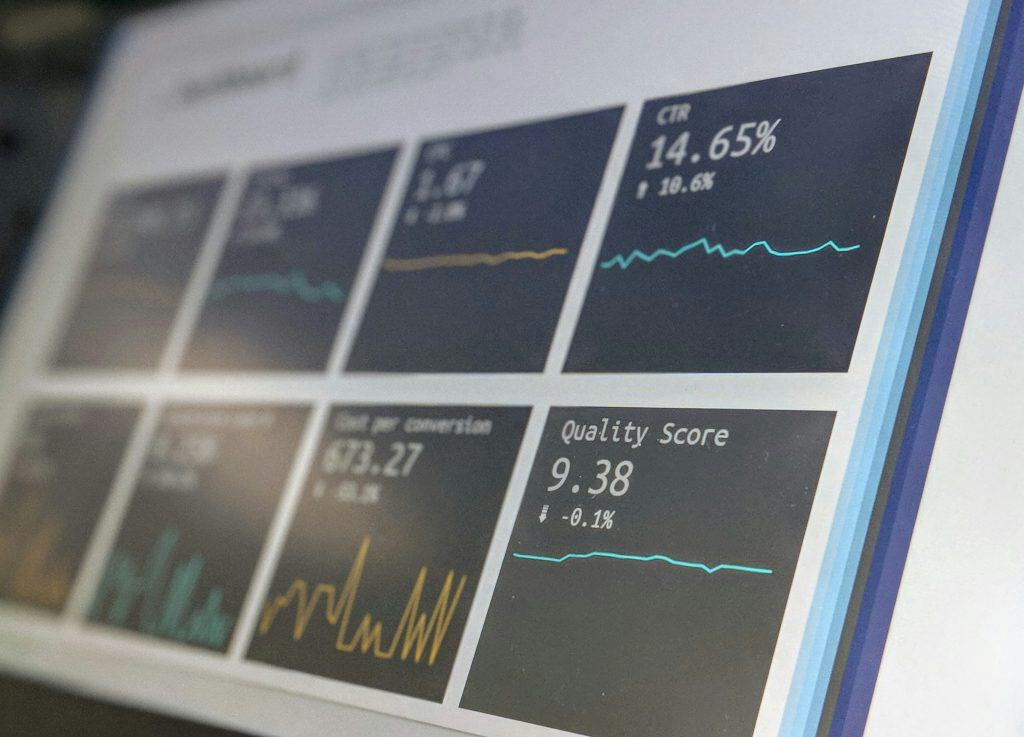
If applicable, look for a centralized dashboard that provides visibility into key metrics and simplifies daily management.
Performance and Monitoring
Many modern SaaS tools include built-in monitoring capabilities that help businesses track:
Usage statistics
Performance metrics
System health
User activity
These insights can help optimize workflows and improve operational efficiency with AI lifetime deals.
Will This Help Your Business Grow?
Ultimately, every software purchase should support your broader business objectives.
Ask whether the software will:
Improve team collaboration
Increase efficiency
Reduce manual work
Enhance customer experiences
Support future growth
For agencies and service providers, consider whether the software improves outcomes for every client you serve.
The right software should become a competitive differentiator, helping your business stand out while improving overall performance.Final Thoughts
Purchasing lifetime software should always involve careful research and thoughtful evaluation. By asking the right procurement questions, reviewing the vendor, testing the product through a demo or free trial, and participating in discussion communities such as Facebook groups and SEO forums, you can confidently make an informed decision.
Focus on choosing high-quality software that fits your existing stack, avoids duplicate functionality, supports regular updates, includes useful monitoring and dashboard features, and helps optimize your workflows.
A proactive evaluation process ensures every purchase becomes a good decision rather than a waste of money, allowing you to improve productivity, strengthen spend management, and boost long-term business success.

Conducting Your Homework
Researching Alternatives
Thoroughly researching alternatives is a vital step before committing to a lifetime deal. While the promise of a one-time fee is attractive, it’s important to check other SaaS product options, including subscription-based models, to ensure you are truly getting the best value and functionality for your time and money. Compare features, pricing, customer feedback, and vendor reputation across different software solutions. This comprehensive review will inform your decision and confirm that the chosen lifetime deal is genuinely the superior option for your needs.
Understanding Your Own Needs
Before diving into any purchase, it is essential to have a crystal-clear understanding of your own needs. What specific problems are you trying to solve with this new software? What functionality is absolutely non-negotiable, and what would be a bonus? Consider your current workflow, future growth, and integration requirements with other platforms. Clearly defining these parameters will prevent you from buying software that is either overkill or inadequate, ensuring that the lifetime deal addresses your objectives.
Consulting with Your Team
Consulting with your team is a crucial step in the procurement process, particularly for any new software that will impact multiple users. Gather feedback from those who will regularly use the platform, as they can offer valuable insights into required features, ease of use, and potential integration challenges. Their input can help identify unforeseen needs or concerns, ensuring that the chosen lifetime deal meets the collective requirements of your team and smoothly fits into existing workflows, maximizing its overall value.