Lifetime License Vs Subscription Software: How to Choose
in AI Tools, Business, Business Checklists, Business Startups, Software AlternativesLifetime License vs Subscription Software: Which Model Saves More Money and Fits Your Needs in the Long Run?
In today’s digital world, software is essential for both personal and professional use. However, understanding the different ways you can pay for and access software can be confusing. This article will clarify the differences between a lifetime license and subscription software, helping you make an informed decision that suits your needs and budget. We’ll explore the nuances of each license model, including perpetual licenses, and discuss the pros and cons to guide your choice.
Understanding Software Licensing
Software licensing determines how you can legally use a particular software application. The software license agreement outlines your rights and restrictions, including the number of devices on which you can use the software and any limitations on its features. Understanding software licensing is crucial because it dictates whether you truly own the software or are merely paying for the right to use it, as well as for how long.
What is a Lifetime License?
A lifetime license, also known as a perpetual license or lifetime deal, grants you the right to use the software indefinitely after a one-time payment or one-time purchase. This license model typically covers a specific version of the software, and while you can use the software for as long as it remains compatible with your systems, upgrades to new features may require an additional purchase. The upfront cost is higher, but in the long run, it can be more cost-effective.
What is a Subscription License?
A subscription license grants you the right to use the software for a specific period, typically on a monthly or yearly basis. This subscription-based model requires recurring payments to maintain access. Often, subscription software includes ongoing support, new features, and updates as part of the subscription plans. If you stop paying, your access to the software is revoked; this is also known as a software subscription. This model is common with SaaS (Software as a Service) products.
Perpetual License Explained
The term perpetual license is often used interchangeably with “lifetime license.” It represents a software license that allows the licensee to use a specific version of the software indefinitely after making a one-time payment. While the perpetual license grants the right to use the software in perpetuity, it usually does not include free upgrades to future versions. Therefore, when comparing a perpetual license vs subscription, it’s important to consider long-term costs and access to new features when choosing the right license model for your needs.

Comparing Subscription Vs Lifetime Options
Subscription vs Lifetime: Key Differences
When choosing software for your business, one of the biggest decisions is whether to go with a subscription model or invest in a lifetime deal. Both options have advantages, but understanding the key differences helps you make smarter financial and strategic decisions.
1. Payment Structure
Subscription Model
With subscriptions, you pay monthly or annually to access the software. As long as you continue paying, you retain access. If you stop paying, access typically ends.
Lifetime Deal
A lifetime deal requires a one-time upfront payment. After that, you continue using the software without recurring charges (as long as the provider supports it).
The main difference? Subscriptions spread the cost over time, while lifetime deals consolidate it into one investment.
2. Long-Term Cost
Subscriptions may appear affordable at first. However, over several years, costs accumulate significantly.
For example:
$25 per month = $300 per year
Over 3 years = $900
A $299 lifetime deal for the same tool could offer substantial long-term savings.
Lifetime deals often provide better ROI when you plan to use the tool consistently over time.
3. Financial Predictability
Subscriptions introduce recurring expenses that can increase due to pricing changes or plan upgrades. This can make long-term budgeting less predictable.
Lifetime deals lock in your cost upfront, providing financial stability and eliminating renewal anxiety.
4. Risk and Flexibility
Subscriptions offer flexibility. If the tool doesn’t meet your needs, you can cancel with minimal financial commitment.
Lifetime deals require a larger upfront payment, which increases short-term risk. That’s why evaluating the tool and provider carefully is essential.
5. Updates and Feature Access
Most subscription plans include continuous updates and feature improvements automatically.
Lifetime deals may or may not include future major upgrades. Some offers include lifetime updates, while others limit features to a specific tier. Always check the terms before purchasing.
6. Scalability
Subscriptions often allow easy scaling — adding users, increasing limits, or upgrading plans as needed.
Lifetime deals may include fixed usage caps (projects, storage, users). If your business grows rapidly, ensure the lifetime option supports scaling.
7. Ideal Use Cases
Subscriptions are often better for:
Short-term projects
Rapid experimentation
Businesses that need constant enterprise-level updates
Lifetime deals are often better for:
Core, long-term tools
Budget-conscious startups
Freelancers and small businesses
Building a subscription-free tech stack
Subscription Model Pros and Cons
The subscription model has become the standard pricing structure for most SaaS and digital tools. Instead of paying once, users pay monthly or annually for continued access. While this model offers flexibility and continuous updates, it also comes with long-term cost considerations. Understanding the pros and cons helps you decide whether subscriptions align with your business strategy.
Pros of the Subscription Model
1. Lower Upfront Cost
One of the biggest advantages of lifetime deals is affordability at the start. Instead of paying a large one-time fee, you can begin using the software with a smaller monthly payment. This reduces initial financial risk.
2. Continuous Updates and Improvements
Subscription-based software typically includes regular feature updates, bug fixes, performance improvements, and security patches. This ensures you’re always using the latest version.
3. Flexibility and Easy Cancellation
If a tool no longer meets your needs, you can cancel your subscription without a major sunk cost. This flexibility is helpful for short-term projects or testing new platforms.
4. Scalability
Most subscription models allow you to upgrade or downgrade plans easily. As your business grows, you can add users, increase limits, or unlock advanced features without switching platforms.
5. Dedicated Customer Support
Subscription tools often include active customer support as part of the package, ensuring ongoing assistance when needed.
Cons of the Subscription Model
1. Recurring Costs Add Up Over Time
While monthly fees seem manageable, they accumulate significantly over years. Using multiple subscription tools can quickly increase operational overhead.
2. Price Increases and Plan Changes
SaaS companies frequently adjust pricing tiers. Over time, you may pay more for the same features or be forced into higher plans to access essential tools.
3. Subscription Fatigue
Managing multiple recurring payments can become overwhelming. Tracking renewals, invoices, and upgrades adds administrative complexity.
4. Loss of Access if Payment Stops
If you cancel or miss a payment, access to the software is typically revoked. This can disrupt workflows and operations.
5. Long-Term Dependency
Over time, reliance on subscription tools creates dependency. If pricing increases significantly, switching platforms can be difficult and disruptive.
Lifelong Access: Benefits of a Lifetime Purchase
In a digital world dominated by recurring subscriptions, the idea of paying once and gaining lifelong access to software feels refreshing — and strategic. A lifetime purchase isn’t just about avoiding monthly fees. It’s about long-term ownership, financial predictability, and building a sustainable tech stack that supports your growth for years.
1. One-Time Investment, Long-Term Value
The most obvious benefit of a lifetime purchase is eliminating recurring payments. Instead of paying monthly or annually, you make a single investment and continue using the software without ongoing charges. Over time, this dramatically increases return on investment, especially for tools you use regularly.
The longer you use the software, the greater the value of your initial purchase.
2. Predictable Business Expenses
Budgeting becomes much simpler when you remove recurring software costs. Lifetime purchases allow you to lock in pricing upfront, protecting your business from subscription price increases, plan changes, or surprise renewals.
This financial stability supports smarter long-term planning.
3. Reduced Subscription Fatigue
Managing multiple subscriptions can be exhausting. Renewal reminders, billing issues, and tier upgrades create unnecessary administrative work. A lifetime purchase reduces this burden, allowing you to focus on productivity instead of payments.
4. Stronger Profit Margins
For freelancers and startups, recurring SaaS fees can slowly erode profit margins. Lifetime access removes ongoing expenses for startups and freelancers. The savings can be reinvested into marketing, hiring, product development, or business expansion.
5. Encourages Long-Term Tool Commitment
When you invest in lifetime software, you’re more likely to fully integrate it into your workflow. This deeper adoption often leads to better efficiency, higher productivity, and stronger outcomes.
Instead of frequently switching tools, you build stability into your operations.
6. Protection Against Price Increases
SaaS pricing tends to increase over time as companies grow. A lifetime purchase shields you from these rising costs. What you pay today remains fixed, even if the tool becomes more expensive later.
7. Higher Long-Term ROI
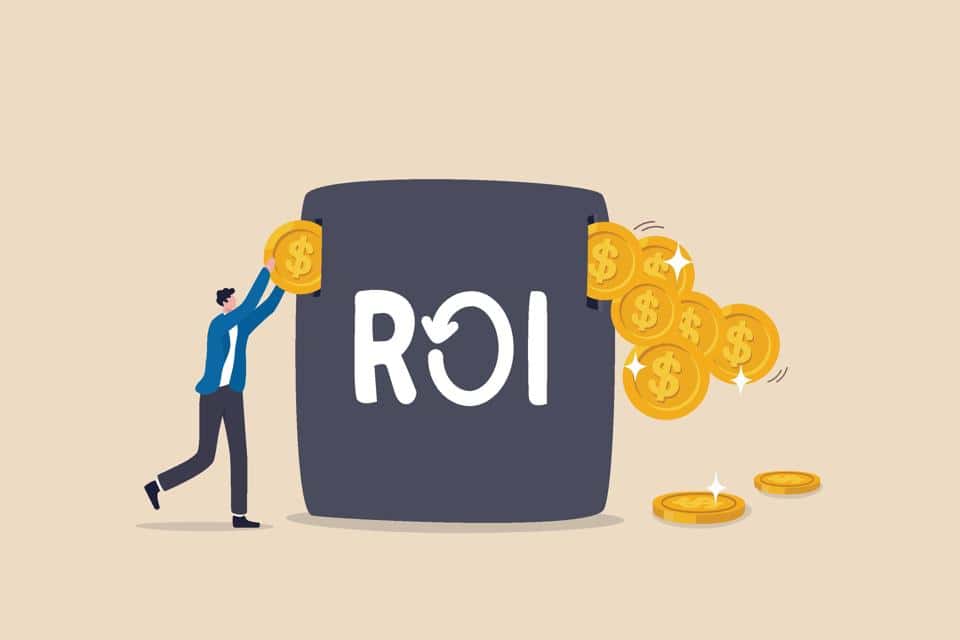
Consider a tool that costs $30 per month. Over three years, that’s more than $1,000. A lifetime purchase priced at $299 would deliver substantial long-term savings. As years pass, the ROI continues to grow.
8. Builds a Sustainable Tech Stack
Lifetime purchases allow you to gradually assemble a subscription-free ecosystem of essential tools. This creates operational stability and reduces dependency on recurring billing cycles.
Financial Implications of Each Model
Cost Analysis: Subscription Software vs Lifetime License
When analyzing the costs of subscription software vs lifetime license, it’s essential to consider your long-term usage. A lifetime license, involving a one-time payment or one-time purchase, may seem expensive initially, but it can be more cost-effective over several years. In contrast, the subscription model requires recurring payments, such as a monthly or yearly subscription, which can accumulate over time. The upfront cost of a lifetime deal is higher, but if you plan to use the software for an extended period, this perpetual license often proves to be the more economical option when analyzing a subscription vs lifetime.
Recurring Payments vs One-Time Purchase
The key financial difference between a subscription license and a lifetime license lies in whether you prefer recurring payments or a one-time payment. With a subscription-based model, you’re essentially renting the software and must maintain your software subscription to continue to use the software. A lifetime purchase, on the other hand, grants you lifetime access to a specific version of the software after a one-time payment, eliminating the need for ongoing expenses. While the subscription pricing might appear lower initially, consider the long-term costs and whether a perpetual license, acquired through a one-time purchase, aligns better with your budget.
Subscription Pricing Plans Overview
Subscription pricing plans for subscription software vary widely depending on the vendor and the features included. These subscription plans typically offer different tiers, with varying levels of access and support. Some subscription models may offer a basic monthly or yearly subscription, while others provide more comprehensive plans with additional new features and services. Before committing to a software subscription, carefully evaluate the different pricing models and determine whether the included features justify the recurring costs. Be sure to consider the difference between the subscription license levels before making your decision.
Best Use Cases for Each Licensing Type
When to Choose a Subscription-Based Software
Choosing a subscription license is often ideal when you need access to the latest features and updates frequently. The subscription model ensures you’re always using the most current version of the software, and new features are rolled out as part of your subscription plans. This is particularly beneficial for SaaS products, where the value lies in continuous improvement and innovation. Furthermore, subscription software often includes ongoing support and maintenance, reducing the burden on your internal resources. When considering a subscription vs lifetime, think of project management tools or creative suites that benefit from frequent updates, making a software subscription the preferred option.
Ideal Scenarios for Lifetime Deals
A lifetime license, or lifetime deal, shines in scenarios where you require long-term access to a stable set of features without the need for constant updates. This is common in situations where you value a one-time payment and lifetime access more than the continuous stream of new features offered by a subscription model. A lifetime purchase makes sense for software you rely on for core functionalities that don’t change drastically over time. Also, when comparing a perpetual license vs subscription, if you are on a budget, consider a one-time purchase.
Office Lifetime Software Considerations
For office software, deciding between a lifetime license and a subscription license involves weighing the upfront cost against the benefits of ongoing updates and support. A lifetime deal for office software means you pay a one-time payment for a perpetual license and use the software indefinitely. However, you might miss out on new features and improvements included in subscription plans. Consider whether you need the latest version with all the bells and whistles, or whether a stable, older version obtained through a lifetime purchase will suffice for your office needs. Before making a decision, consider a subscription vs lifetime.

Finding the Right Software Deals
Where to Look for Lifetime Deals
Finding a lifetime deal requires some research, but the savings can be significant in the long run when considering a subscription vs lifetime. Start by exploring online marketplaces and deal websites that specialize in software promotions. Keep an eye out for special promotions offered directly by software vendors, particularly around holidays or special events. Networking within your industry can also uncover exclusive offers or recommendations for software with a perpetual license. Don’t forget to read reviews and compare different lifetime license options before making a purchase.
Evaluating Subscription Plans for Your Needs
Evaluating subscription plans effectively requires a clear understanding of your software needs and usage patterns. Carefully review the different tiers of subscription pricing offered by the vendor, paying close attention to the difference in included features and support levels. Consider whether you need a monthly or yearly subscription, depending on your budget and usage frequency. Assess the long-term costs of the subscription model vs lifetime license, and ensure that the benefits of ongoing updates and support justify the recurring payments. Always check the fine print for any hidden fees or limitations.
Recommendation: BestLifetimeDeals.com for Latest Offers
In today’s software-driven world, staying ahead means investing not just in tools — but in smart tools that deliver long-term value without recurring expenses. BestLifetimeDeals.com is one of the most effective resources for discovering the latest and most valuable lifetime software offers across a wide range of categories.
From productivity and marketing tools to AI platforms, security software, website builders, and niche business applications, BestLifetimeDeals.com curates high-quality lifetime deals that help you build a powerful tech stack without subscription fatigue.
Why BestLifetimeDeals.com Is Worth Your Attention
1. Curated Lifetime Deals Across Vital Categories
BestLifetimeDeals.com organizes offers across dozens of software categories including SEO tools, AI content platforms, project management software, CRM systems, affiliate marketing tools, email automation, analytics, graphic design, e-commerce, VPNs, and more. The breadth of coverage means you can find tools that match virtually every aspect of your business needs.
2. One-Time Payments, Long-Term Benefits
Rather than paying month after month for essential tools, BestLifetimeDeals.com helps you find options with lifetime access — meaning you pay once and use forever. This model offers significant long-term cost savings and shifts your mindset from recurring rent to strategic ownership.
3. Time-Saving Research and Insight
Instead of hunting through multiple marketplaces and off-brand deal sites, BestLifetimeDeals.com consolidates top lifetime offers in one place. Each listing features valuable information such as feature highlights, pricing comparisons, and context that helps you evaluate whether the offer fits your goals.
4. Ideal for Entrepreneurs, Freelancers and Small Businesses
Whether you’re just starting out or scaling a growing operation, lifetime deals make budgeting more predictable and help you allocate funds toward growth activities instead of ongoing software fees. This makes BestLifetimeDeals.com especially valuable for solopreneurs, startups, and lean teams.
5. Strategic Tech Stack Building
BestLifetimeDeals.com isn’t just about savings — it’s about helping you build a sustainable software ecosystem. By focusing on lifetime access tools, you can reduce overhead, eliminate subscription churn, and lock in long-term capability for your business operations.
How to Use BestLifetimeDeals.com Effectively
Browse by category to find tools that directly support what you’re building
Compare features across offers to get the best value for your specific use case
Evaluate long-term ROI by comparing lifetime pricing vs subscription costs
Check usage limits to ensure the tool scales with your operation
Stay updated on new offers to capitalize on limited-time deals
Final Recommendation
If you’re serious about building a cost-efficient, scalable, subscription-free software stack, BestLifetimeDeals.com is a go-to platform for discovering the latest lifetime deals. Whether you’re streamlining workflows, improving marketing performance, strengthening your SEO, or automating your business, this curated deal resource helps you find tools that deliver long-term value.

Frequently Asked Questions
Perpetual vs subscription: what’s the difference when purchasing the software?
Perpetual vs subscription refers to choosing a perpetual license (software outright, one-time payment) versus a subscription model (monthly subscription or annual subscription). Perpetual software gives lifetime access to a specific version after the initial cost, while a software subscription charges subscription fees on a recurring revenue schedule (monthly recurring or yearly) to provide ongoing access, updates, and support. Consider total cost of ownership, lifetime value, and whether you need the latest features and security when deciding.
Lifetime access or subscription business model: which model is best for me?
Choosing the right model depends on your priorities: barrier to entry and initial cost favor lifetime access or a one-time payment, while subscription-based models offer flexible pricing, lower upfront cost, and continuous updates. If you value new features, security patches, and predictable cash flow for the vendor, subscription business or subscription-based model is often best. For occasional users or when version stability matters, a perpetual model may be preferable.
License vs subscription and lifetime: how do license model options compare?
License model choices include perpetual license vs subscription: perpetual licenses provide a permanent right to use a specific release, while a software subscription grants access as long as subscription fees are paid. Subscription business models often include free trial periods, tiered plans, and upgrades; perpetual models might offer paid upgrades for new software releases. Evaluate purchasing the software against ongoing costs and upgrade policies.
Should I pick a monthly subscription or an annual subscription?
Monthly subscription offers the lowest commitment and easier cancellation, making it ideal for trialing new software or projects. Annual subscription usually reduces the effective monthly cost (long-term cost savings) and may include discounts or added features. Compare monthly or annual pricing against your expected usage and the subscription business model’s benefits like included updates and support.
How do recurring payments affect budgeting?
Subscription fees create predictable operating expenses and can smooth vendor cash flow, while a one-time payment impacts capital expenditure and reduces future outlays. For businesses, subscription-based models improve cash flow management but increase lifetime expenditure; perpetual purchases concentrate costs up front but may reduce long-term spend. Consider total cost of ownership and budget cycles when selecting a pricing model.
What about receiving new features and security?
Subscription-based software typically includes the latest features and security patches as part of the subscription fees, providing continuous improvements. Perpetual software may only receive limited updates or paid upgrades, so perpetual and subscription decisions hinge on whether ongoing innovation and security updates are critical to you. For mission-critical or fast-evolving applications, subscription-based access generally offers better long-term protection.
Are lifetime vs subscription offers on marketplaces a good value?
Marketplaces like AppSumo sometimes sell lifetime subscription or lifetime access deals that can be great value for certain new software or niche applications. Evaluate the vendor’s sustainability, feature roadmap, and support policy before buying lifetime offers. A low barrier to entry and attractive initial cost can be tempting, but check for hidden limitations and the vendor’s revenue stream stability to ensure long-term viability.
How to calculate long-term cost savings between perpetual and subscription?
To estimate long-term cost savings, compare initial cost (perpetual model) plus expected upgrade fees against cumulative subscription fees over the same period, including potential productivity gains from new features. Factor in maintenance, support, training, and the lifetime value of software to your operations. Use scenarios like monthly or annual payments over 3–5 years to determine which pricing model yields the best financial and operational outcome.